The Golden Hour of the Mara: Curating the Ultimate August Sanctuary
August is not merely a month on a calendar; it is the golden threshold where the East African savannah breathes its deepest, most dramatic air. It is the moment the Great Migration reaches its zenith, the light turns to liquid gold, and the classic safari reaches its absolute apotheosis.
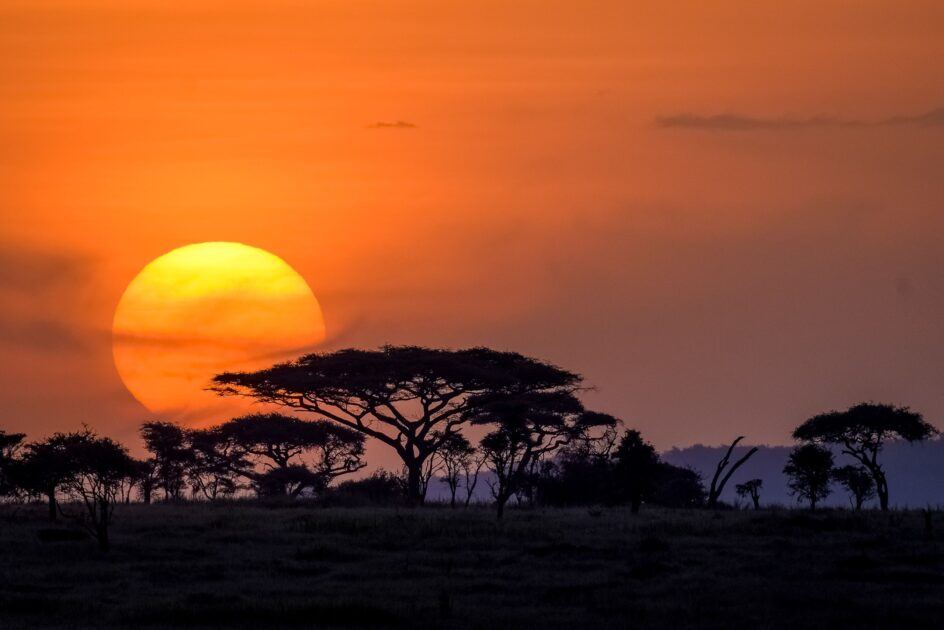
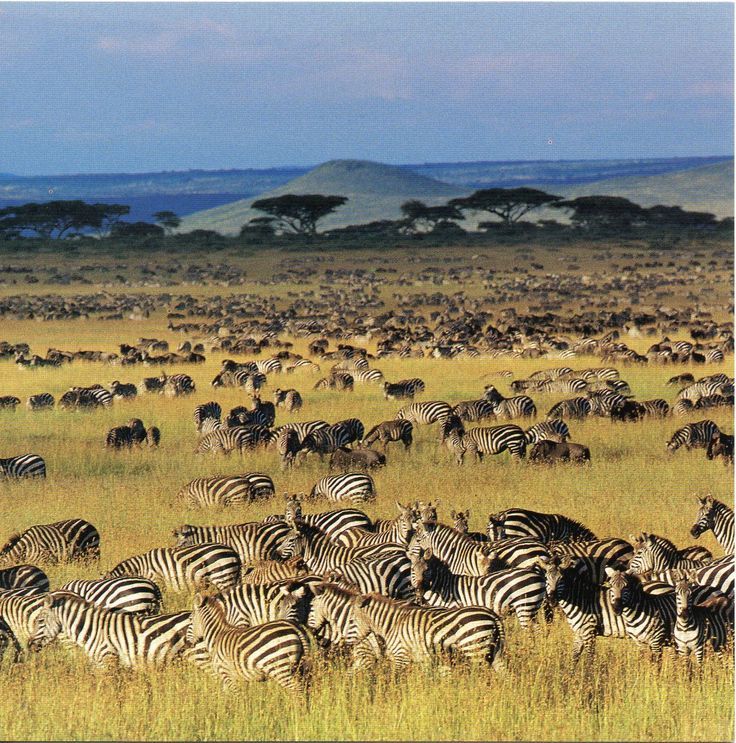
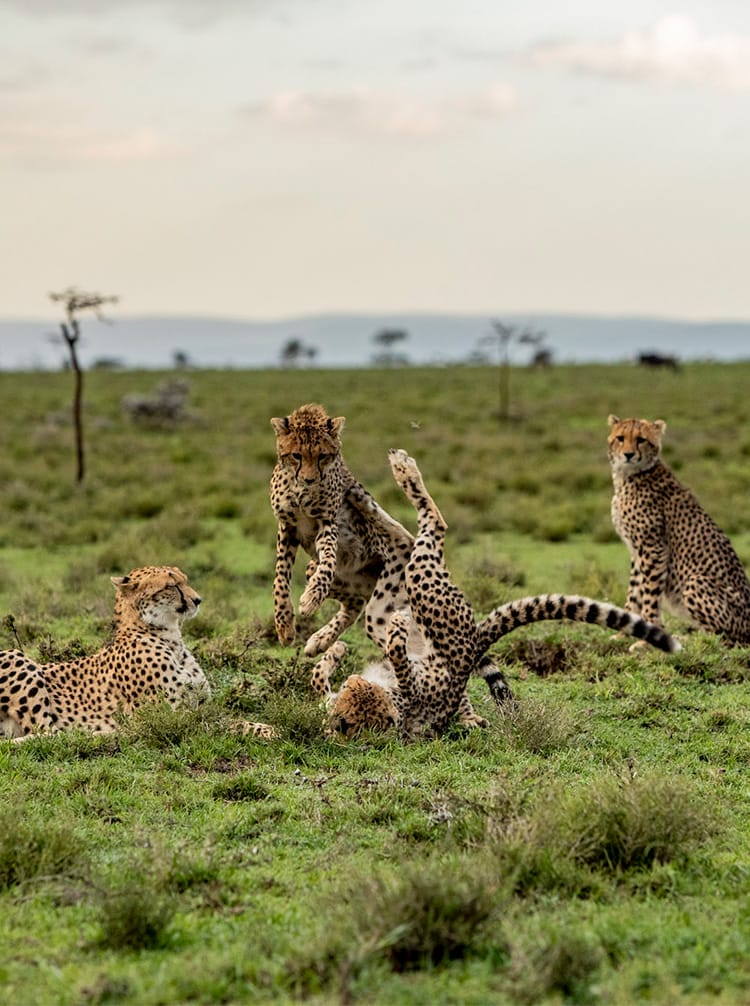
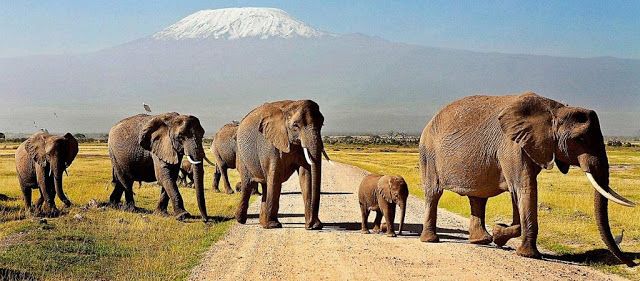
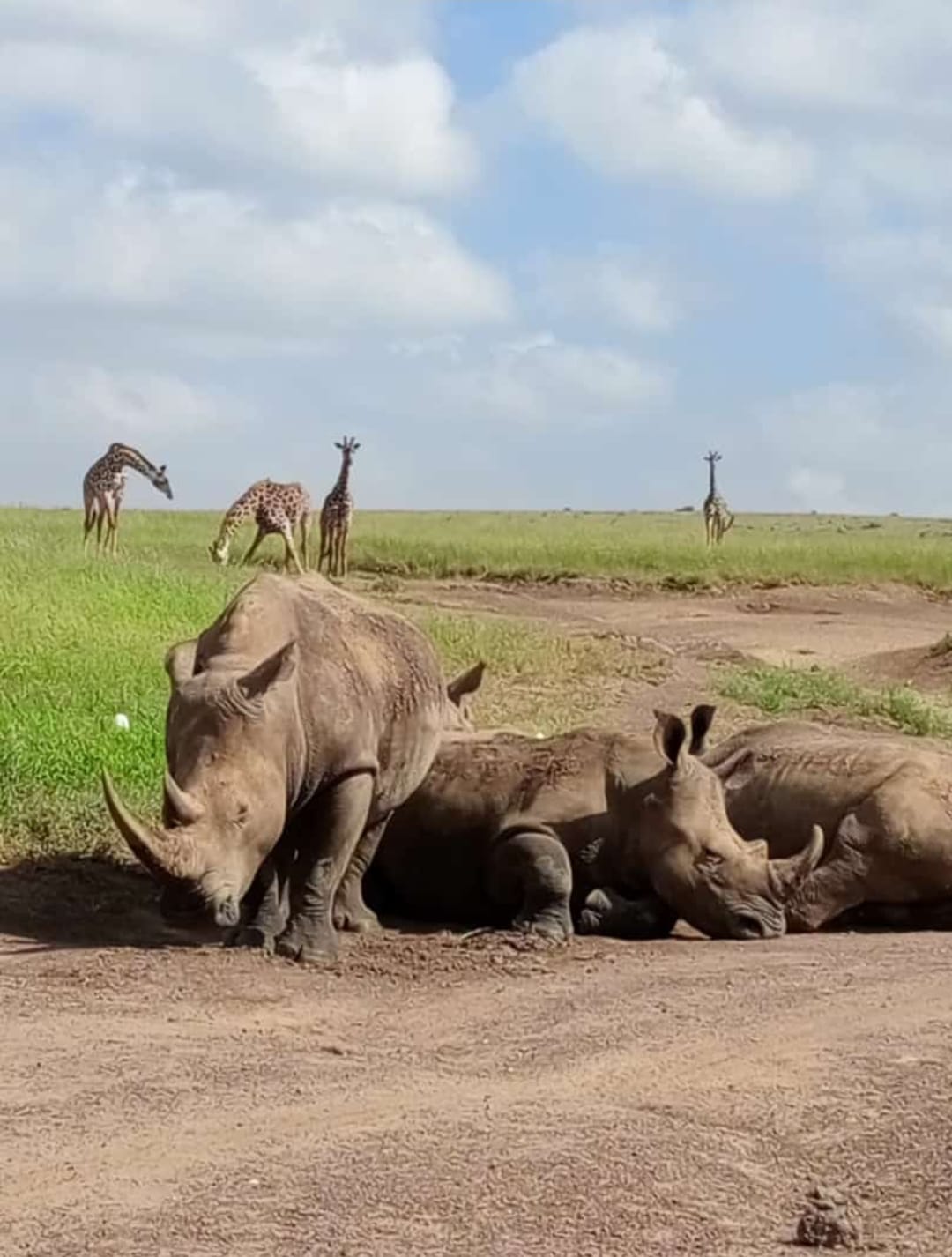
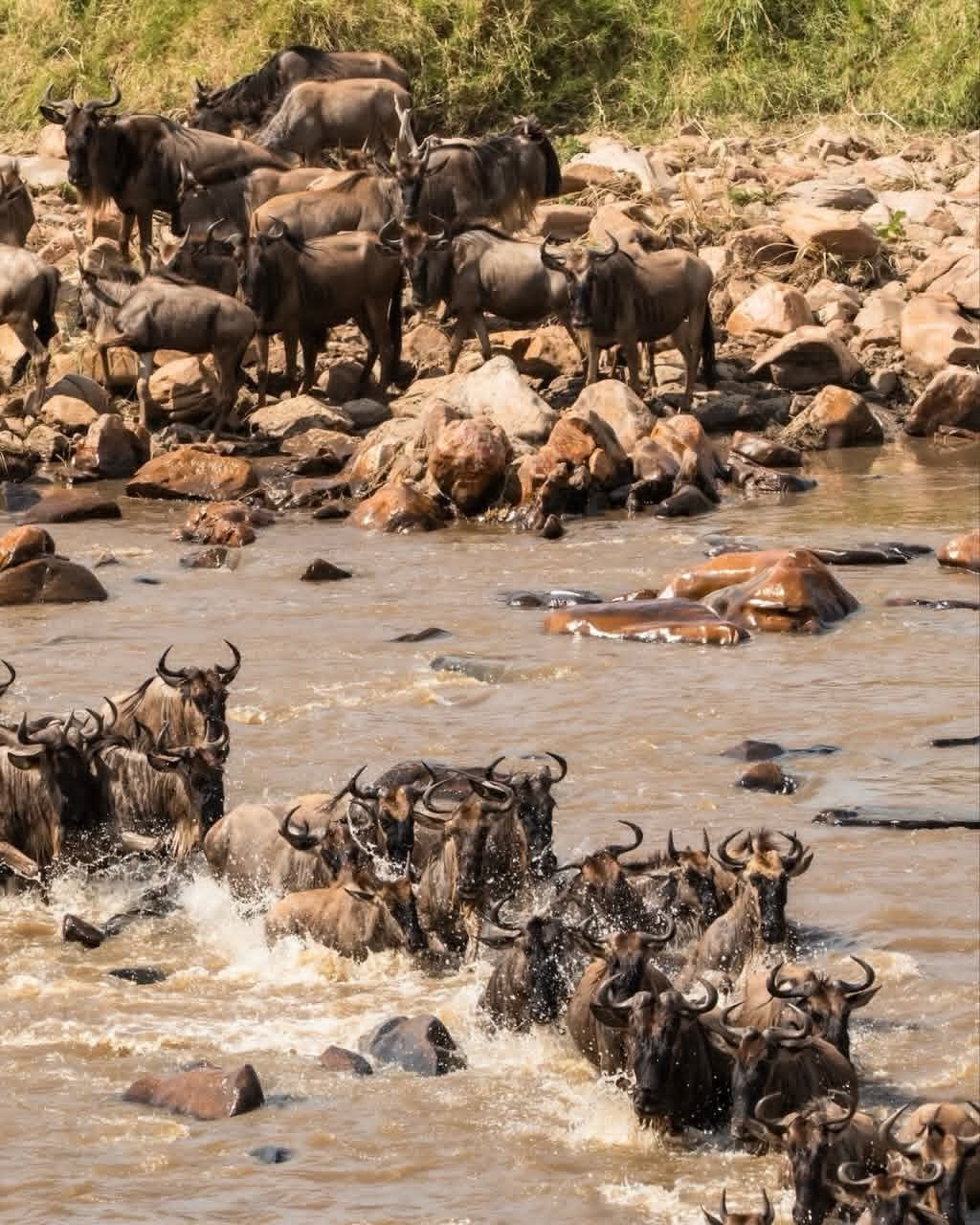
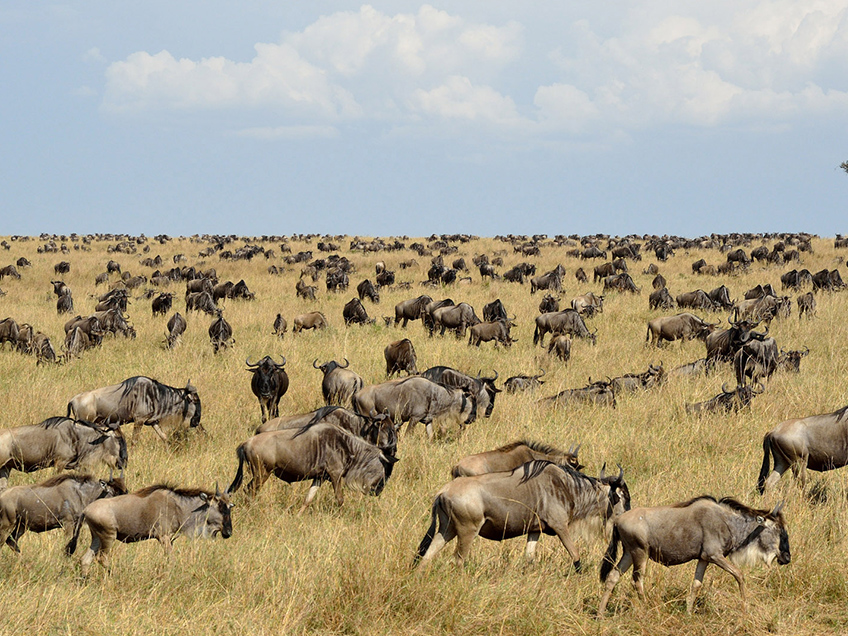
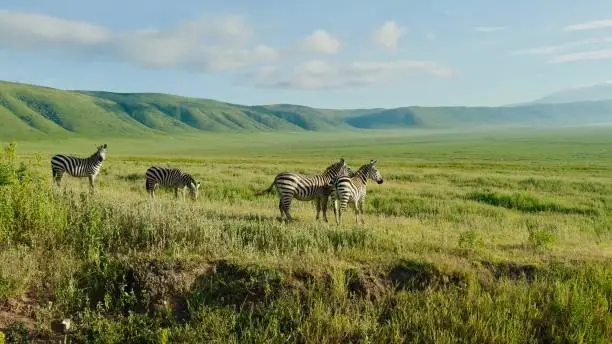
As the year turns to August, the East African plains undergo a transformation that has captivated travelers for a century. The long rains have receded, leaving the grass short and crisp, the acacia trees stand in sharp silhouette against a vast, cloudless blue, and the air carries the scent of dry earth and wild grass. For the discerning traveler seeking a classic, high-class safari, this is the season of perfection. Unlike the chaotic crowds of the peak holiday season found in other parts of the world, the Maasai Mara and Serengeti in August offer a unique rhythm. It is a time of intense wildlife activity, driven by the Great Migration, yet it retains an air of exclusivity for those who know how to navigate it. The Great Migration: A Year-Round Masterpiece There is a common misconception that the Great Migration is a singular event—a single crossing of the Mara River in a specific week. The truth, as revealed by decades of observation, is far more elegant. The migration is a year-round movement across the Serengeti-Mara ecosystem, a continuous dance of survival and renewal. However, in August, this dance reaches its most dramatic crescendo. As herds of over 1.5 million wildebeest and hundreds of thousands of zebras move north from the Serengeti into the Maasai Mara, they bring with them a spectacle of unparalleled scale. This is not just a wildlife event; it is a natural phenomenon that defines the character of the landscape. The river crossings, often depicted in documentaries, are the most visceral moments, but the true magic lies in the days between. The plains become a theater of predator action. Lions, leopards, and cheetahs congregate in anticipation, their movements dictated by the rhythm of the herds. For the photographer or the naturalist, this is the "Golden Hour" of the safari—the light is soft, the colors are rich, and the wildlife is active from dawn until dusk. Beyond the Migration: The Quiet Luxury of August While the migration draws the eye, the true luxury of an August safari lies in the pacing and the access. The dry season means the waterholes are concentrated, making wildlife sightings reliable and frequent without the need for long, exhausting drives. Maasai Mara National Reserve: The classic stage for the migration. Here, the drama is constant, but the high-end conservancies bordering the reserve offer a quieter, more intimate experience. Private conservancies allow for off-road driving and night game drives, granting access to the Mara that public parks cannot provide. Ngorongoro Crater: A compact wildlife theater where the density of animals is unmatched. In August, the crater floor is dry and firm, making for efficient, full-day game drives where you can witness the "Big Five" in a single afternoon. The dramatic scenery of the crater walls provides a backdrop that feels ancient and timeless. Amboseli National Park: With the dry season, the elephant herds gather in large numbers around the remaining water sources. The backdrop of Mount Kilimanjaro, often clear in August, offers a stunning contrast to the dusty plains. The Art of Packing for the Classic Safari To truly embrace the elegance of the August safari, one must consider the wardrobe. The "classic" safari look is not about fashion trends, but about functional sophistication. The source of our planning advice suggests packing light, practical layers in neutral colors. This is not just a recommendation; it is a necessity for blending seamlessly into the environment and avoiding disturbance to the wildlife. Neutral Tones: Khaki, olive, and beige allow you to become part of the landscape. Practical Layers: August days can be warm, but the evening brings a crisp chill. A light fleece or jacket is essential for early morning game drives. Sun Protection: A wide-brimmed hat and high-quality sunglasses are non-negotiable. Camera Support: A sturdy tripod or monopod is crucial for capturing the low-light drama of the dawn and dusk hours. Why August is the Season of the "Classic" The term "classic safari" evokes images of the early 20th-century explorers, of canvas tents and open vehicles, of a connection to the wild that is both primal and refined. August is the month that best captures this spirit. The weather is predictable. The wildlife is visible. The migration is in full swing. But beyond the logistics, it is the atmosphere that defines the experience. The silence of the plains at dawn, broken only by the call of a lion or the rustle of grass, is a reminder of the wild's enduring power. For the traveler who seeks more than a checklist of animals, August offers a journey into the heart of East Africa. It is a time to slow down, to appreciate the rhythm of the land, and to witness the raw beauty of the natural world in its most vibrant form. Final Thoughts: A Timeless Invitation Planning a safari in August is an invitation to witness the world as it was meant to be seen. Whether you are tracking the migration through the Maasai Mara, exploring the crater floor in Tanzania, or simply watching the sun set over the Serengeti plains, the experience is designed to be unforgettable. The Ebola outbreak concerns that have circulated in recent years have no bearing on Kenya or Tanzania's safari regions. The safety of your journey is paramount, and Kenya's safari destinations remain open and welcoming, offering a secure and serene environment for travelers. As you consider your next adventure, remember that the "best" time to visit is often the one that aligns with your desire for the classic, timeless safari. August, with its golden light and dramatic wildlife, offers exactly that.